Showing posts with label Business Tips. Show all posts

Tuesday, January 12, 2016

2016 Hello and Goodbye

Well a new year has come around again and with it come lots of new changes for my business. I'm moving on.

As you may already know, I have a brand spanking new website and with that comes a new blog/diary of my day to day goings on.

For many years I have written a lot about working within the creative industry and I've interviewed many, many inspirational designers who have all shared their knowledge and experience with me. Giving us all secret insider tips and much needed advice.

But now I've decided that it's time for me and for my business to grow. So I'm leaving this blog behind so that I can concentrate solely on designing and manufacturing my product.

However, I have decided not to close this blog as it really has helped many designers, new and experienced over the years. I've put all the blog posts together, so why not book mark this page and come back to it as and when you need to.

So grab a cuppa, delve in and hunt out some great tips and advice from the people who have been there, done that! Find out about licensing your work, trade shows, markets, selling online, getting published in magazines, building a website or just read these truly inspirational stories! (All blog posts listed with links below)

You can also purchase my own personal background story and tips on working within the creative industry.

E Book - From Little Things - The story of the birth of my business - The ups, downs, tips and advice
E book Mini - Selling to shops and wholesale
E Book Mini - Trade Show Secrets
E Book Mini - Markets


Surface Pattern Design

Top Tips Part 1
- Including tips from Lotta Jansdotter, Rachael Taylor, Elizabeth Olwen, Bethan Janine, Racel Cave, Jessica Wilde, Mel Smith Designs, Rosa and Clara Designs, Sophie Honeybelle, Mary Tanana, Gillian Arnold

Top Tips Part 2
- Including tips from Zoe Ingram, Flora Waycott, Pink Light Licensing, Jilly P, Jessica Hogarth, Victoria Johnson, Khristian Howell, Jill McDonald, Yuyu, Valerie Foster, Rosie Simons, Veronica Galbraith, Julie Hamilton

Dawn Machell
Miriam Bos
Victoria Johnson

Going from Hobby to Business

Poppy Treffry
Dots and Spots
Snapdragon
Charlotte Macey
Claudine Hellmuth
Kids Art
Plushka's Craft

Manufacturing and Selling Online

Rosa and Clara Designs
Gabriella Buckingham
Skinny Laminx
Bread and Jam
Clara and Macy
Angie Spurgen

Trade Shows

Ali benyon - Life Instyle Tradeshow, Melbourne
ZZ Totz - LifeInstyle Tradeshow, Melbourne
The Writing Bureau
 - Part 1
 - Part 2
Amor Amor
Baby Button
Marni Franks

Getting Press Coverage

Gidddy Kipper
Tickle the Imagination


Other

Time Management - Judit Szilagyi
Wholesale - Anika Bee
Little Lou and Enoch and Plonk - Branding
Handmade Love - Branding


Tuesday, November 24, 2015

Refreshed Energy = New Designs

Inspiration and renewed energy for artists and designers can strike anytime, anywhere! (It can also bugger off for days, months and longer unfortunately)

I've not had any creative energy to design for many months (I think moving to the other side of the world and having a computer that crashed every few minutes didn't help!) But all of a sudden, out of the blue and on a really miserable day when I had received a devastating work e mail, full of tears and feeling like the biggest failure on the planet, I suddenly wanted to design, design, design. And I'm loving being back. Designing patterns for me can turn a truly bad day into something beautiful and that day did just that for me.


Since starting this surface pattern design path I keep on hearing the same thing again and again; you need to find your "signature style" I took that as having to find a style that was totally different to everyone else; out there, wild, unique.... So that's what I did. I designed my heart out and forced myself to be as different as I could.

And that my dear friends is where I believe I went totally wrong. I forced the design process instead of letting it flow and come naturally. I'm not saying that my designs were awful, far from it. I just don't think they were truly "me"

So now with my renewed energy, I'm back and I'm back with a new attitude; to relax, enjoy and design in a way that makes ME happy, joyful and to not worry if my work looks like others. I'm thinking and hoping the more I design, the more my work will become truly "me"

Here are a few designs that I have been working on this week. My new years resolution is to complete a collection per week!! Gulp!! There you go, I've set the gauntlet now, who's joining me? :)


Saturday, November 15, 2014

Part 6 - Product - Designing, Manufacturing and Selling with Laura Clempson of Clara and Macy

In our final blog about selling product we have the lovely Laura Clempson of Clara and Macy fame. 

You can connect with Laura here

If you'd like to read the other wonderful blogs in this series, please click on the links below.

Part 1 with Angie Spurgen - Artwork by Angie
Part 2 with Gabriella Buckingham - MooBaaCluck
Part 3 with Heather Moore - Skinny laMinx
Part 4 with Jamie and Catherine Douglas - Bread and Jam
Part 5 with Jessica Hayman - Rosa and Clara Designs 

1. Could you tell us a little background about yourself and why you decided to sell product?

After working in the animation industry making puppets for TV & films for several years I realised that I really wanted to write and illustrate my own picture books. Two little characters, Clara and Macy, just popped into my head one day but knowing how difficult it is to break into the world of publishing I came up with a plan! I thought that if I could design some products based around Clara and Macy, and get some interest that way, then I could prove to the publishers that it was a good book idea. I was really lucky and the products started selling well - the business became a 'real' business and suddenly it all became so busy that I haven't even had time to contact any publishers!


2. What are the important things to keep in mind when researching the products you wish to sell and why did you choose the particular products that you sell now?

I am a great believer in gut feelings and loving your own products. I don't want to sell any products that I don't completely love. I think researching prices and the market in general is important too but it's not the main focus for me. It comes second. Looking at trends can be helpful too.


3. Which has been the most effective avenue for you to sell your products  and which would you recommend?

Joining Not On The High Street has changed my life. Truly. It is by far my most effective sales avenue and I wouldn't have my business without them. I have been lucky enough to have had products included in their catalogues and promotions, and that has had a massive impact on my success on the website. I also sell via Etsy but it isn't nearly as effective for me sales wise. I would definitely recommend Noths to people, and do quite often!
*NOTHS is Not on the high street - A selling platform in the UK

4. How important is having a business mentor (if you use one) How have they helped you grow your business?

I started working with my business mentor in July and it has been amazing. She has helped me grow the business, and make decisions that I didn't even think were in my reach. I think having a business mentor can be great but finding the right person for you is crucial, you both need to be on exactly the same page with what you're hoping to achieve together. Jenny (Jenny Hyde) has helped my business confidence massively, and has helped me figure out some of the big things like taking on staff, becoming a Limited Company, forecasting sales for 2015 etc. It's been fantastic!


5. How important do you think selling platforms (outside of your own website) are? 

I can say for certain that I wouldn't be where I am now without Noths. I don't currently have my own e-commerce website (it's being built at the moment) and so Noths has been crucial to my business success. They take care of a lot of the marketing and promotion so that I don't need to worry about it as much. Things like SEO can be really difficult to work through on your own so it's really helpful to have some extra help with things like that through Noths. That doesn't mean that you don't need to put any effort in, but it is great to know that you have the support right there.


6. How much has wholesaling been a part of your success?

Wholesaling isn't something I've been actively seeking so far with the business. I've been lucky enough to wholesale to a few great independent shops and places like The National Gallery, but it's not been the focus yet. It is however part of my big plan for 2015 - I'm hoping to launch an entire wholesale side to the business with a dedicated website for it.


7. Looking back, what would you do differently if you were to start all over again?

Ooh tricky one! If I were to do it all again I think I would be braver. I would try really hard to have more confidence in my own ability to run a business, design good products, and make the big decisions. I've spent a lot of time worrying about whether I'm doing things right, but doing it again I definitely wouldn't let myself get so worried and stressed about things. But I'm slowly learning to be more like that!


8. Any extra tips and advice for budding designers who want to sell their own product?

Just go for it! Trust your gut feelings, create things you love first then price them sensibly and do the research to see if you can improve anything to make it more marketable. If personalised products are selling really well on your chosen marketplace, then consider how you might be able to offer that with your own products. It can be great to boost sales with something like that, but equally don't try to force it. A great product will sell well without those extra features.

If you're selling online then I also think that great photos are key. It's really worth investing the time to try and get the best images of your products that you can. Paying attention to the market you're selling them on is really helpful too. Noths for example really like lifestyle shots, whereas other sites like cut out shots. So be sure to target your photos accordingly.

Finding support that you really trust is also key. It can be really hard working running your own business (a lot of people compare it to having a newborn baby and I'd say that's about right!). Having support from people that understand - other people in the same position, a mentor, a forum - can be a lifesaver.

Good luck!

Thanks so much Laura. We wish you all the very best for the future!

We hope you have loved the blogs and have lots of ideas now swimming around your heads. I'm all for sharing what I learn about business as I travel along my journey and up those mountains, so please share, share, share and let us know what you have thought of the series. Has it been helpful to you?

One more huge thank you to all of the artists and designers who have shared their tips and knowledge with us all. I for one really, really appreciate them taking time out from their busy schedules to sit down and share everything they have learnt about selling product with us. Thank you xxx

If you have any comments, we would love to hear from you. Please comment below

Wednesday, November 12, 2014

Part 5 - Product - Designing, Selling and Manufacturing with Jessica Hayman of Rosa and Clara Designs

And the blogs continue. Today we have the lovely Jessica Hayman from Rosa and Clara Designs.  

If you'd like to read the other wonderful blogs in this series, please click on the links below.

Part 1 with Angie Spurgen - Artwork by Angie
Part 2 with Gabriella Buckingham - MooBaaCluck
Part 3 with Heather Moore - Skinny La Minx
Part 4 with Jamie and Catherine Douglas- Bread and Jam

Last in this series with Laura Clempson is on Sunday 16th November!


Part 6 with Laura Clempson - Clara and Macy 

You can connect with Jessica here


1. Could you tell us a little background about yourself and why you decided to sell product?

For me, it all started with lampshades. I was struggling to find designs that I liked, and I had attended a workshop on lampshade making, so designing textiles for lampshades was the next step! I have gradually expanded my product range as I go.


2. What are the important things to keep in mind when researching the products you wish to sell and why did you choose the particular products that you sell now?

If you plan to wholesale your products, price point is crucial. It can be tricky keeping to a realistic RRP (recommended retail price) as well as having a wholesale price that leaves room for a bit of profit. Do the maths before you take the dive! I also think it is really helpful if you can offer a product that is not really commonplace. Which is easier said than done when you need to order a short run from a manufacturer.


3. Which has been the most effective avenue for you to sell your products and which would you recommend?

My own website will shortly be relaunched as an e-boutique but, to date, a combination of selling through Not on the High Street and at a mixture of local events and larger shows has been a good combination for me. It will be interesting to see how sales through my own website will compare: I know I will need to invest a lot of effort in marketing in order to drive traffic.
*NOTHS is Not on the high street - A selling platform in the UK


4. How much has wholesaling been a part of your success?

I have recently begun to expand the wholesaling part of my business and I think it is going to be a significant factor in growing the business. Yes, wholesale prices are lower, but the volume of orders is higher. It is also a great way of increasing the profile of your brand and reaching new parts of the country (and, looking to the future, other parts of the world!).


5. Do you have any advice on manufacturing?

I'm a strong believer in manufacturing in the UK. In addition to supporting British industry, it makes communication channels that much easier. My main advice, though, is to sample and sample again to make sure that the finish of the product is just as you wish.


6. Any extra tips and advice for budding designers who want to sell their own product?

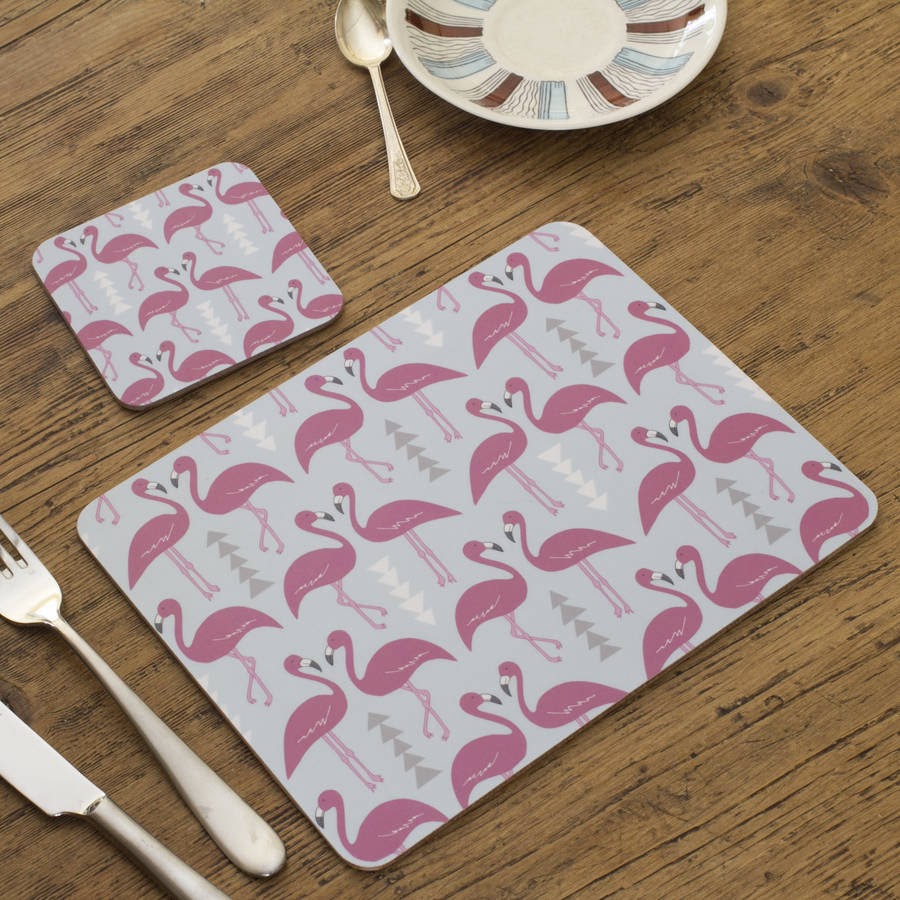
When you are launching a new product, try and do a few events so that you can see people's reactions and ask them for feedback. I've just launched a new range of wash bags and it has been really interesting finding out the most popular designs and colour ways. So far, it is neck and neck between the flamingo print and the pineapple print!


7. What's next in your product selling business plan?

I'm considering introducing a cosmetic bag range to complement my wash bag range, as feedback at recent events has suggested that a smaller size could be popular too.

Thanks so much Jessica. We wish you all the very best for the future! Stay tuned for the final instalment in this series with the lovely Laura Clempson of Clara and Macy fame! You won't want to miss it!

If you have any comments, we would love to hear from you. Please comment below

Monday, November 10, 2014

Part 4 - Product - Designing, Selling and Manufacturing with Jamie and Catherine from Bread and Jam

Todays blog features husband and wife team Jamie and Catherine Douglas from Bread and Jam. Again we are talking product; designing, manufacturing and selling!


If you'd like to read the other wonderful blogs in this series, please click on the links below.

Setting up your website and shopping cart basics with Julie from Biz Yourself
Part 1 with Angie Spurgen - Artwork by Angie
Part 2 with Gabriella Buckingham - MooBaaCluck
Part 3 with Heather Moore - Skinny laMinx

Coming over the next few days.......

Thursday 13th November Part 5 with Jessica Hayman - Rosa and Clara Designs 
Sunday 16h November Part 6 with Laura Clempson - Clara and Macy 


You can connect with Bread and Jam here


1. Can you tell us a little background about yourselves and why you decided to sell product?

We design and produce happy things to make people smile. We have a range of products, from stationery to our very own fabric patterns, which have been designed to motivate, encourage happiness and not to mention, look great. As long as people continue to buy our wares and feel good about them, we will continue to design more. Some of what we do has been inspired by vintage pattern and humour and this can be seen influencing our repeat patterns and borders.


Our story starts with disaster, Bread & Jam started after losing another business at the height of the economic crash in 2008. Although it was amongst the toughest of times we have ever experienced, great things have happened as a result. Out of the ashes of one business, Bread & Jam took shape and we both felt compelled to work with each other for the good of the family. As a married couple, it's always a challenge to find the time to run the business with enough effectiveness to put bread on the table, whilst balancing the needs and desires of our young girls as they grow.


Making products in-house is a very important basis of the company. We could go ahead and license our designs and patterns and that may be, arguably a little easier to manage but we enjoy the hands on approach and it gives us something tangible to hold and appreciate. There's a huge sense of satisfaction when you're about to dispatch an order, knowing the levels of effort you have put into making the product as good as it can be and that soon, someone else will be enjoying the fruits of your labour.

2. What are the important things to keep in mind when researching the products you wish to sell and why did you choose the particular products that you sell now?

I'll be honest, we don't do a lot of research when it comes to designing our own products. We do research heavily into colour and pattern but as for the products, they are generally from the depths of our imagination. A lot of ideas for products don't tend to get off the ground as they are either far too outlandish or simply too expensive to make and as a result make them commercially unviable.


One of the major considerations when selecting a product or products to include in the range is whether we can produce the item in-house. On the whole we base a lot of our designs around what equipment we have to make the things with, in some ways, the equipment informs the designs. We sometimes look at a new piece of equipment and see how we can use it in different ways, ways that others are not and this gives us a point of difference.
Of course, we do keep an eye on the industry and we are aware of what others are doing but if anything, this actually tells us what not to do rather than enlightens the design process.

3. Which has been the most effective avenue for you to sell your products?

We have a good balance of selling channels at the moment but this has taken time to build up. Initially we sold through easily accessible sites like Etsy.com and Folksy.com. Sites like these make it so easy to start selling your designs. It's all there for you, you just need to fill in the blanks really and then go and spread the word. 

We are NOTHS partners too and this continues to be the bread & butter sales channel for us, delivering most sales and being the most effective route to market for us. I would recommend NOTHS to anyone who wishes to push on and take the next steps of development. A little word of advice though, prepare yourself well for Christmas, it can be very busy indeed and if you're not ready it can be very overwhelming and a baptism of fire.
*NOTHS is Not on the high street - A selling platform in the UK

It's worth noting, we don't favour one channel over another necessarily, it's never an either or, we've always seen all our channels as important as the next and give them all the same amount of attention.


4. How important is having a business mentor (if you use one) How have they helped you grow your business?

We don't actually have a business mentor, mainly because our location is very rural and isolated but we do have people who we can turn to and ask questions. Social media plays a huge role in our business, especially Facebook. We are part of a group of like minded business owners (design and craft orientated) who are all at different stages of development and we all use each other as sounding blocks and between us we have a wealth of experience to share with other group members. With us being some remote, it's essential for us to have some form of forum whereby we can ask questions but also give advice, this works well for us.


5. How important do you think selling platforms like NOTHS and Etsy are? 

We've been very lucky in a lot of ways, we were approached by NOTHS and we duly accepted their invitation to sell with them. It gives us a very solid partnership to move forward with, we're flattered and feel good about selling with them and they have already bought into us and our style so right from the get go, both sides of the partnership are happy with the relationship. NOTHS has been and continues to be the back bone of the company, delivering us the most sales and providing us with a solid basis from which to grow and develop. I wouldn't say that we couldn't have got to our current level without them but they have been instrumental in our development and continue to deliver great results.

Our website does perform reasonably well for us but there's no way we could reach the exposure and customer base that we get through NOTHS, not without huge investment or much more time and effort at least.


6. How much has wholesaling been a part of your success?

Retailing our wares through traditional, bricks and mortar stores is again hugely important to us. I think it lends credibility to what we do, retail buyers have shown faith in us and our products and seeing our products on physical shelves gives us a really great buzz. It does throw up some interesting conundrums however. Retailing online and retailing through shops has some very different requirements.


We are now beginning to think about how the product retails on the shelf much earlier in the process, whether that's through packaging of through point of sale material.  Also, wholesale customers are a very different animal to retail customers and as a result they need to be cared for in very different ways. For example, with a retail customer (online) you will very rarely enter into a dialogue or have any contact with at all and you rely on the quality of your products in order to have them come back and shop with you again. Whereas, wholesale customers on the whole, prefer direct contact, even a face to face meeting at some stage to cement the relationship and come back to buy from you again.


7. Looking back, what would you do differently if you were to start all over again?

We've always taken a view that when the time comes to look back, we will try not to regret a single thing. Sure we make mistakes, that's what makes us human but as long as we're learning and making the adjustments so we don't make the same mistakes again then it can't be a bad thing can it?


8. Any extra tips and advice for budding designers who want to sell their own product?

Well we're all different and each of us has different requirements so there's not a "one fits all" bit of advice but there are some things which have helped us along the way. We've mentioned earlier about having somewhere you can go to extract advice and use as a sounding board but don't forget the ones around you. Your family and friends can make the difference between success and failure, without their support you will find it difficult for sure. Don't judge your success or the success of your products by the success of other sellers around you. Be inspired by other creative people and companies are doing but do not compare your level with theirs. The reality behind closed doors can be very different the image portrayed via social media and press. Finally, have faith in your own work and be bold. If you can't extol the virtues of your own work, how can anyone else? On the whole, if you think your work has value then someone else will too, have confidence in your own abilities.


Thanks so much Jamie and Catherine. We wish you all the very best for the future! Stay tuned for the next instalment in this series with the wonderful Jessica Hayman  from Rosa and Clara Designs.

If you have any comments, we would love to hear from you. Please comment below

Saturday, November 08, 2014

Part 3 - Product - Designing, Selling and Manufacturing with Heather Moore of Skinny laMinx

In todays blog about selling product we have the very successful, South African based Heather Moore from Skinny laMinx.

You can connect with Heather here.

  
If you'd like to read the other wonderful blogs in this series, please click on the links below.

Setting up your website and shopping cart basics with Julie Allen from Biz Yourself
Part 1 with Angie Spurgen - Artwork by Angie
Part 2 with Gabriella Buckingham - MooBaaCluck

Coming in the next few days.....

Tuesday 11th Part 4 with Jamie and Catherine Douglas- Bread and Jam 
Thursday 13th Part 5 with Jessica Hayman - Rosa and Clara Designs 
Sunday 16th Part 6 with Laura Clempson - Clara and Macy 

1. Could you tell us a little background about yourself and why you decided to sell product?

I had worked as an illustrator, mostly of educational books, for about 10 years and needed a break, so I started writing scripts for comics in the morning and experimenting with screenprinting in the afternoons. I was enjoying making things, but didn't enjoy them piling up in my studio, so I started selling them to shops, and I started selling them at a Saturday morning market too. I was blogging about what I was making, and opened an online shop on Etsy too. A couple of wholesale orders came in, and I stepped up the pace, eventually quitting my scriptwriting job, outsourcing my production, and doing Skinny laMinx full time.


Things have grown a lot since then, with a thriving brick-and-mortar store in Cape Town, two online shops and a growing wholesale business. We have an 8-strong team and a network of freelance seamstresses and other service providers across the city. We're proud to produce everything in South Africa, most of it within 20 minutes of our studio.

Check out Heathers gorgeous little 'about' video - It's lovely and very inspiring! - About Us Skinny LaMinx


2.What are the important things to keep in mind when researching the products you wish to sell and why did you choose the particular products that you sell now?

I started off making tea towels and cushion covers, as they worked with the small scale of screenprinting I was doing. At that scale, it's all about having enough space to dry all the prints! As the business grew, I had to weigh the increase production costs of printing running metres against the feasibility of producing it myself.

One of our most popular products is the Soft Bucket, and I'm so happy about that, as it is a product I designed specifically to deal with the unused fabric from our (other very popular) Cushions . These days, with the Soft buckets and the DIY Squares packs, we have hardly any fabric wasted in our production at all. 


3. Which has been the most effective avenue for you to sell your products?

They are all effective in different ways, and seem to change all the time too. I always like to say that our business is like a table with lots of legs on it. We sell in our retail store and in our two online shops, we wholesale locally and internationally, and we also sell fabric through an agent and license designs. All of these different "legs" help to support and stabilise our business.


4. How important is having a business mentor (if you use one) How have they helped you grow your business?

I don't have a business mentor, but four years ago, Pearl Thompson came on board, taking over the systems and strategy side of everything meaning that there was more time for me to concentrate on design, marketing and branding. It has been a real bonus for us to be able to focus on the things we are good at, and has strengthened the business greatly.


5. How much has wholesaling been a part of your success?

Wholesaling has been very important to us in a number of ways. First of all, it was extremely exciting for me to get my first wholesale order from San Francisco. When you live and work at the bottom tip of Africa, it's easy to feel very far away from the rest of the world, so this kind of acknowledgement of my design work was a very big affirmation, and spurred me on to grow the business. We continue to wholesale, and find it a great way to spread the Skinny laMinx brand, as well as to get feedback about the direction we're going in.


6. Looking back, what would you do differently if you were to start all over again?

I don't think there is another way to have done it! The organic growth of Skinny laMinx, all of which happened in response to circumstances, means that the business has developed at a sustainable pace without too much sense of taking crazy risks


Thanks so much Heather. We wish you all the very best for the future! Stay tuned for the next instalment in this series with the designer husband and wife team, Jamie and Catherine Douglas from Bread and Jam. It will be jam packed (excuse the pun) full of hints and tips on selling your product. 

If you have any comments, we would love to hear from you. Please comment below